GL-03MOBILE GAMING1 October 20265 MIN
How Much Data Mobile Gaming Uses
Online matches use little data. Updates and in-game video use a lot.
Set game updates to download on Wi-Fi only. Check the data usage counter after a session to learn the real numbers. The same game behaves differently on different phones, so start from the device rather than the review score.
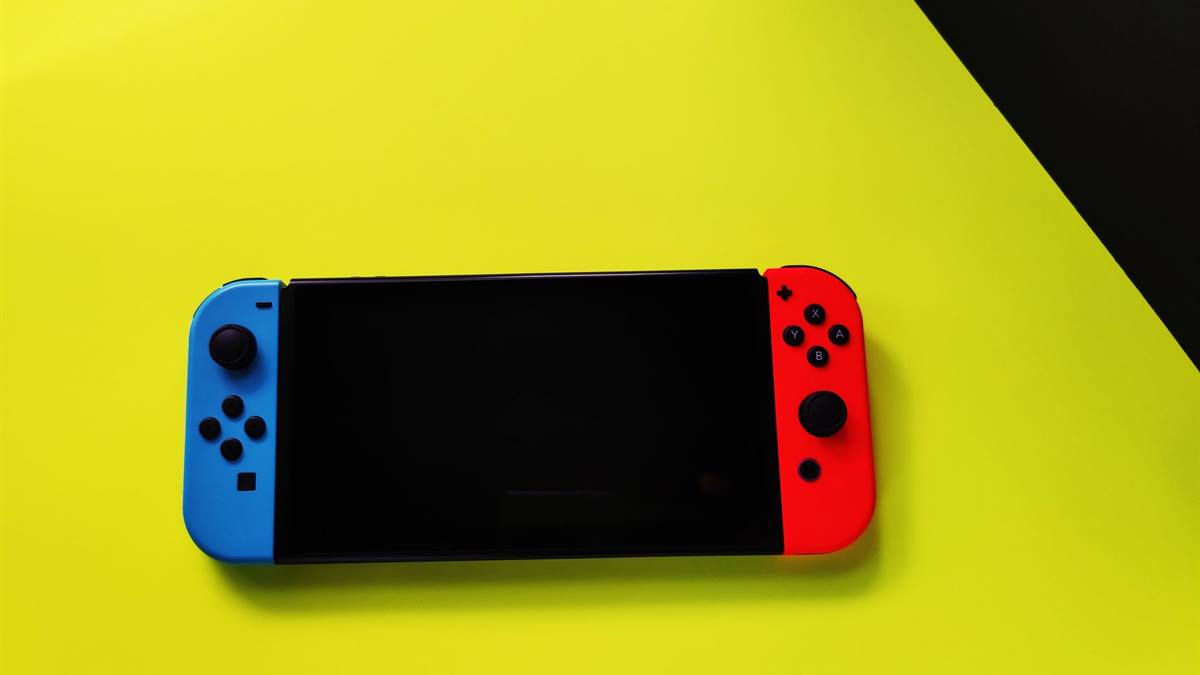
Know what the phone can do
Avoid in-game video or streaming features on mobile data. Turn on the phone data saver if the game supports it. Heat is the main reason a phone slows down after fifteen minutes of play.
Manage heat and battery
Play with voice chat off if data is limited. Avoid downloading additional game assets over mobile data. Most mobile games are designed around retention, which is why settings and notifications matter.
Before installing another game, check the free storage and the battery health of the phone. Mobile performance problems are usually storage, heat, or background apps rather than a weak processor. Close what you are not using, lower the graphics settings for long sessions, and play with the charger disconnected where possible. A phone that stays cool runs better than one with the settings maxed out. Keep the brightness on automatic outdoors and lower indoors, and note the temperature when a game stutters, because heat explains more than the settings menu.
Check whether the game supports a low-data mode. A controller or a cooler only helps if the underlying settings are sensible.
Quick settings check
- Update on Wi-Fi only
- Measure one session
- Turn off voice chat
- Restrict background data
Tame the settings and the ads
Keep the phone on Wi-Fi where possible, even if the signal is weak. Watch for background downloads after an update. Account linking is the difference between losing progress and recovering it.
Check the plan limits before a long session away from Wi-Fi. Online matches usually use far less data than video or updates.
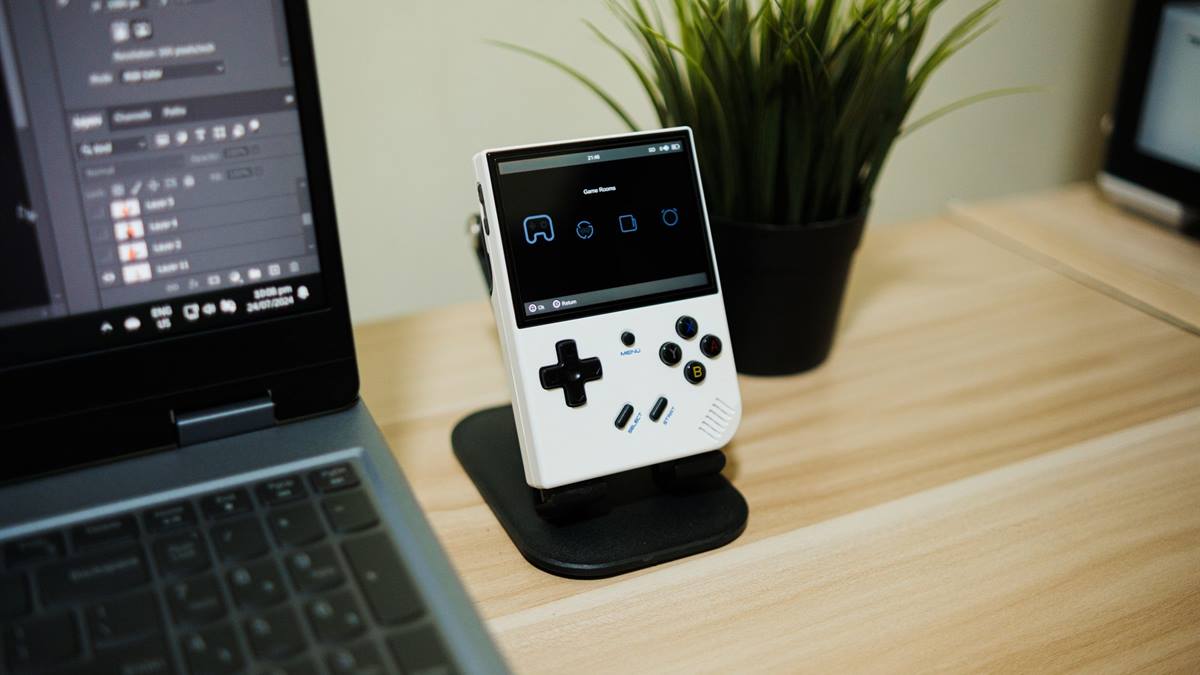
Protect the account and the spending
Turn off automatic cloud sync for captures if data is tight. Use the phone settings to restrict background data per app. Test one change for a few sessions before adding another accessory.
If you decide to spend, set a limit before opening the store and remove the saved payment method when you are done. Link the game account to a service you control, so progress survives a lost phone. Review the installed games every few months and remove the ones you no longer play, because storage and notifications are the two things that make a phone feel old. A phone treated this way lasts through several years of new releases. If a game asks for permissions it does not need, deny them and check whether it still works, because storage and microphone access are rarely required for play. Take a screenshot of the settings that work, so a reset after an update is quick to undo.
Test one session and compare it with the plan allowance. A large update can use more data than a month of matches. The simplest saving is to update on Wi-Fi and play on mobile data. If you want the wider picture, read Dealing With Ads in Mobile Games before you decide.
For the underlying guidance, see the Android performance guidance.
GL / FAQ
Frequently Asked Questions
Does mobile gaming use a lot of data?
Matches use little. Updates, video, and voice chat use far more.
How do I stop game updates on mobile data?
Set the store or the game to download updates on Wi-Fi only.
Does voice chat use data?
Yes, more than the match itself. Turn it off when data is limited.
Can I limit data per app?
Yes on most phones. Restrict background data for the game and the store.