GL-01PC GAMING30 July 20266 MIN
Gaming Laptop or Desktop: The Real Trade-Off
A laptop is a compromise you carry. A desktop is performance you upgrade. Decide which matters more.
A desktop gives more performance for the same money and can be upgraded part by part. A laptop is the only option if you need to play away from a desk regularly. Start with the resolution and frame rate you actually play at, because every part is chosen around that target.
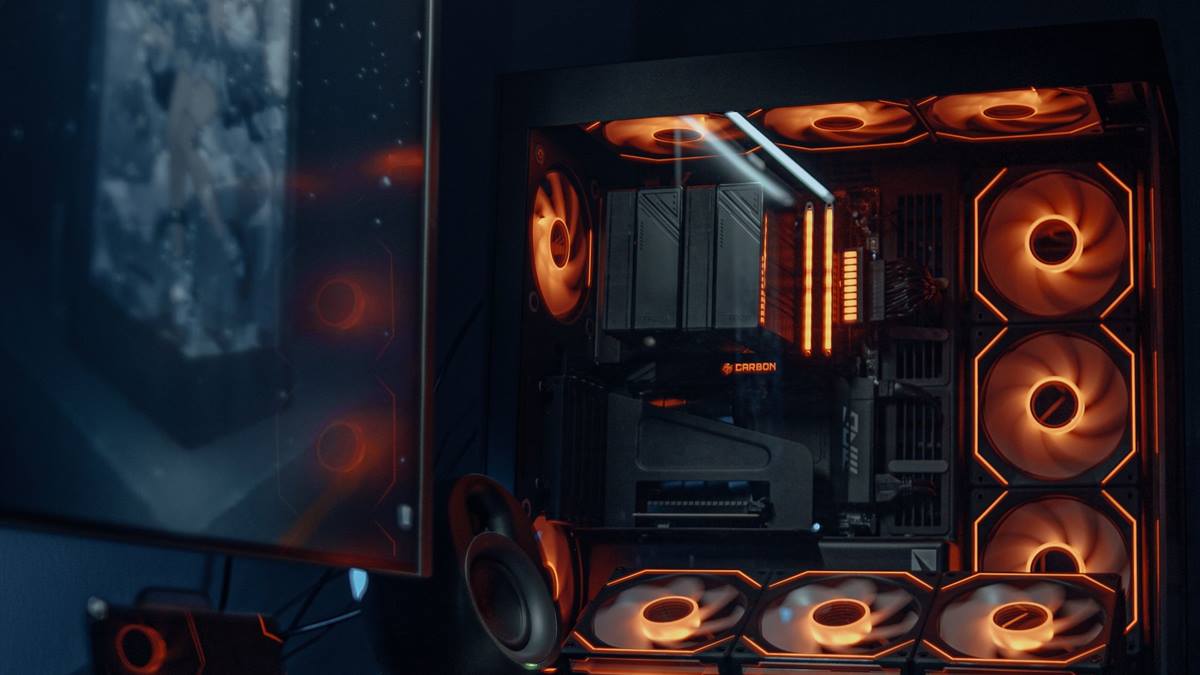
Match the hardware to the screen
Laptop graphics cards are usually slower than the desktop card with the same name. Laptops run hotter and louder under load, especially in thin designs. A balanced machine beats one expensive component surrounded by bottlenecks.
Fix the part that limits you
Upgrading a laptop is usually limited to storage and memory, and sometimes nothing. A desktop needs a monitor, keyboard, and mouse, which adds to the total cost. Heat and power delivery decide whether the advertised performance shows up after twenty minutes.
Before opening the case, note the current specification: processor, graphics card, memory, storage, and power supply. Most upgrade plans fail because one of those parts was assumed rather than checked. Run a benchmark you can repeat, write the result down, and change one component at a time. A cheaper part that removes the actual bottleneck is worth more than an expensive part that does not. Buy from a retailer with a clear return policy, and confirm that the part fits the case, the cooler, and the power connectors before the order ships.
A laptop includes a screen, battery, and keyboard, which can make it better value for a first setup. Benchmark one change at a time, so you know which part made the difference.
Check before you buy
- Desktop wins on performance per price
- Laptop wins on portability
- Check the real card performance
- Budget for the whole setup
Watch heat and power
Consider a desktop plus a cheap laptop if you need portability occasionally. Check the charger size and the battery life, since gaming laptops are not very portable. Most upgrade disappointment comes from replacing the wrong component, not from buying a bad one.
A desktop is easier to repair and clean. Laptop screens are often smaller, so a desktop with a good monitor is better for long sessions.
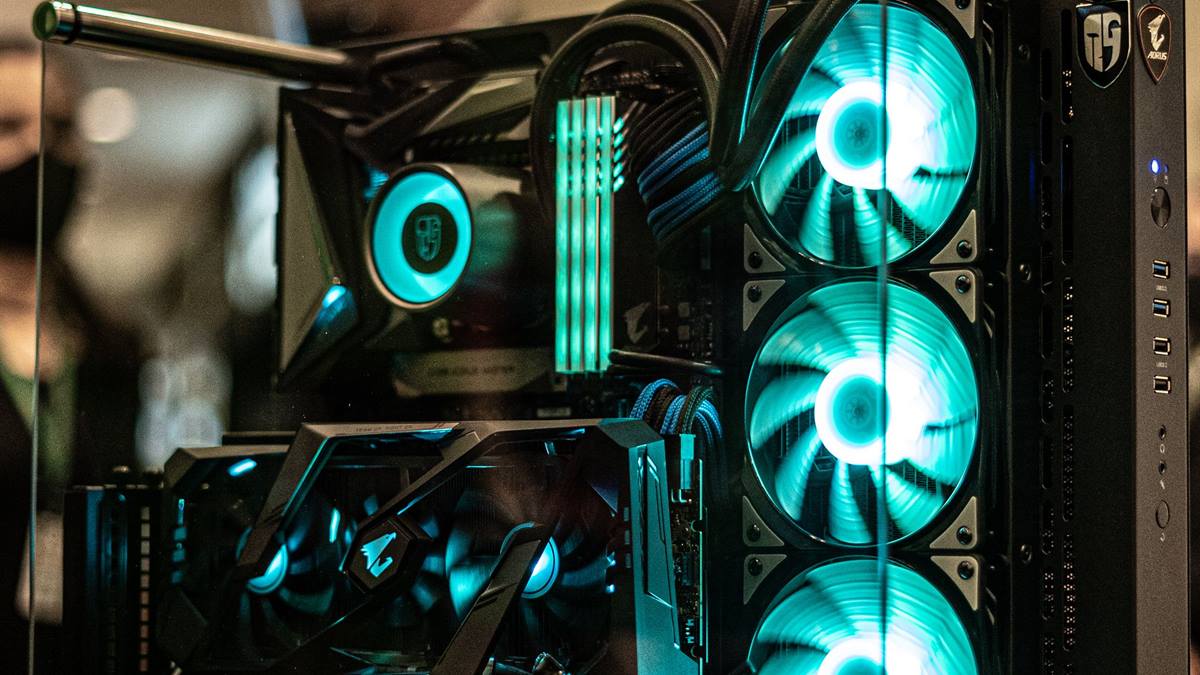
Measure before you upgrade
Check the return policy, because laptop coil whine and fan noise vary between units. A small form factor desktop can fit a small flat without the laptop compromise. Write the current specification down before shopping, because memory is generous about old hardware.
If performance still disappoints, look at the settings before the hardware. Resolution, anti-aliasing, and shadow quality usually cost more frames than any single component can recover. Test a lower setting for one session and note the difference, then decide whether the upgrade is still justified. Keep the receipts and the boxes until the new part has run for a week without problems. If a new part causes instability, restore the old one and test again, because a faulty component can look like a settings problem.
If you move house often, a desktop is still manageable, just not portable daily. Buy the machine that fits how you actually play, not how you imagine you might. The right answer depends on space, budget, and the need to move. If you want the wider picture, read Make a Gaming PC Boot Faster before you decide.
For the underlying guidance, see the PC Gamer hardware guides.
GL / FAQ
Frequently Asked Questions
Is a gaming laptop worth it?
If you need portability, yes. If not, a desktop gives more performance and easier upgrades for the money.
Can I upgrade a gaming laptop?
Usually only memory and storage, and some models are soldered. Check before buying.
Why is a laptop card slower than the desktop version?
Power and cooling limits are much lower, so the same name often performs differently.
Do I need a desktop for streaming?
Not necessarily, but a desktop handles heat and upgrades better for long sessions.