GL-02CONSOLE GAMING22 August 20265 MIN
Controller Trigger Settings Explained
Adaptive triggers add immersion in single-player games and distraction in competitive ones. Match the setting to the game.
Try the default trigger setting first, since games are designed around it. Adaptive triggers add resistance that can improve immersion in single-player games. Most console problems are solved in the system menu before any hardware is replaced.
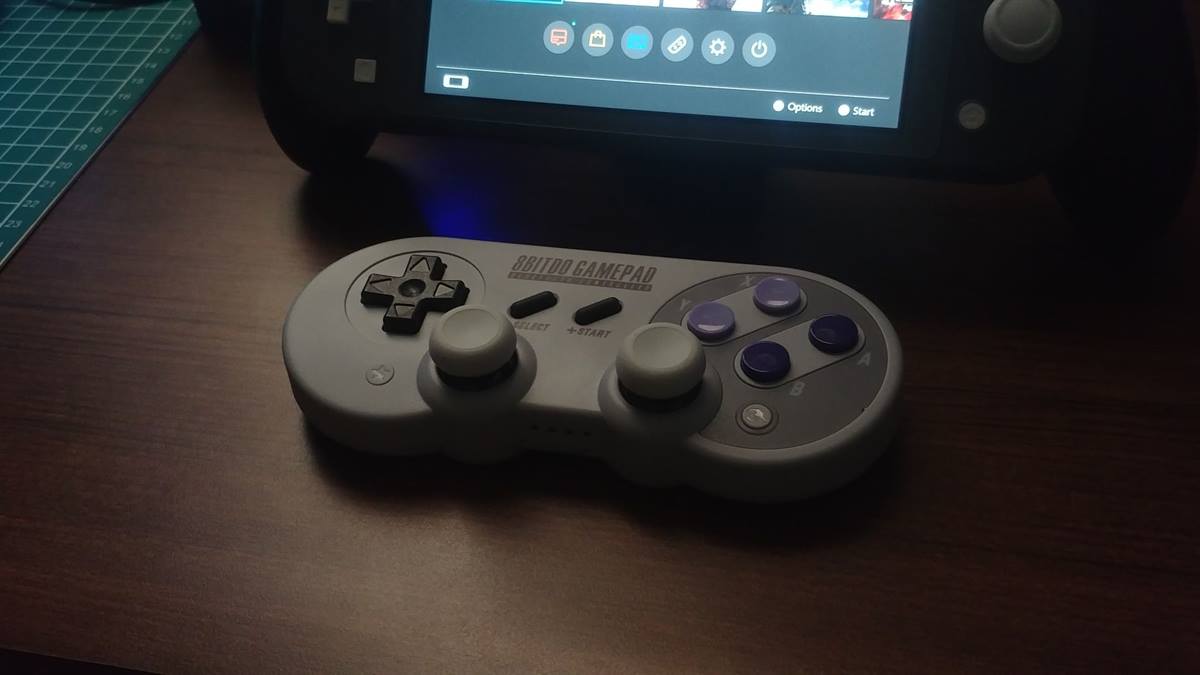
Start with the settings
In competitive games, the resistance can cost reaction time, so reduce or disable it. Check the console settings for a global trigger intensity option. Storage and network settings cause more frustration than the games themselves.
Check the storage and the connection
Haptic feedback uses more battery, so lower it for long sessions. Some games include specific trigger settings in their own menus. A console in a closed cabinet runs hotter and louder than one with clear airflow.
Before buying an accessory, check what the console already includes and what the game actually supports. Many problems described as hardware faults are settings, cables, or storage limits. Read the system menu carefully, test with a second cable or controller where possible, and note the current software version. A five-minute check in the settings often saves a return and a week without the console. Most consoles also report the current resolution and refresh rate, which is the quickest way to spot a cable or a port that is limiting the picture.
Test the settings in the game rather than only in the console menu. Account security matters more than most players expect, especially with saved payment methods.
Before you change anything
- Start with the default
- Reduce resistance for competitive play
- Lower haptics for battery
- Update the firmware
Give the console room to breathe
If the trigger feels stiff, check whether the game is applying resistance intentionally. Clean around the triggers if they feel sticky or unresponsive. A controller that disconnects is usually a pairing or power problem, not a broken device.
Update the controller firmware, which can fix trigger behaviour. Use the accessibility options if the resistance causes discomfort.
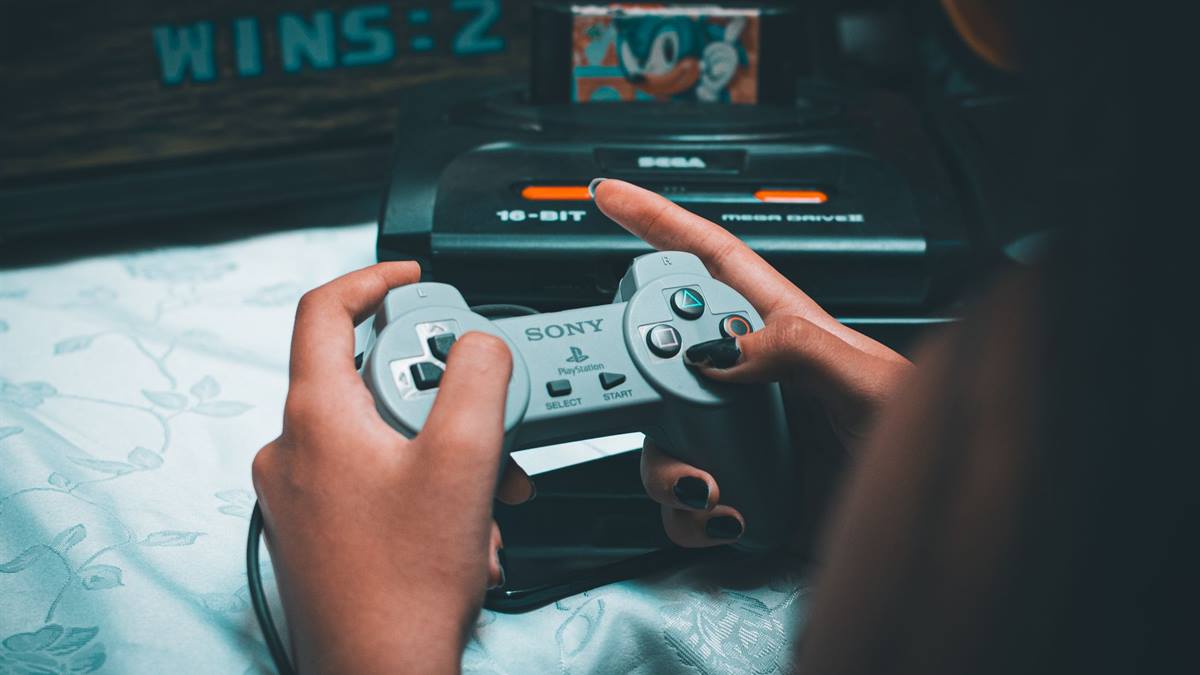
Keep the account secure
Do not force the trigger against the resistance, which can damage the mechanism. Keep a second controller with different settings for different games if needed. Test one change at a time, then play for an hour before deciding it worked.
If the problem persists, reset only the affected setting rather than the whole console. Back up saves before any reset, and keep the account password and recovery codes somewhere offline. Give the console clear space and clean the vents gently with the power off. When something does need replacing, check the warranty first, because consoles are usually covered longer than people assume. Keep the receipt and the serial number in a note, since warranty claims ask for both, and set updates to run in standby so security patches do not wait for the next session. Write the new password in a password manager rather than a note beside the console, and check the signed-in devices once a month, since an old session is easy to forget and hard to notice.
Reset the controller settings if the behaviour seems wrong after an update. The best setting is the one you forget about while playing. Match the feature to the game rather than leaving it at maximum. If you want the wider picture, read Quick Resume: When It Helps and When It Fails before you decide.
For the underlying guidance, see the Xbox support.
GL / FAQ
Frequently Asked Questions
What are adaptive triggers?
Triggers that change resistance based on the game, adding feedback such as tension or recoil.
Should I turn off adaptive triggers?
For competitive games, often yes. For single-player games, they add immersion.
Do haptics drain the battery?
Yes. Lowering the intensity extends play time.
Why does my trigger feel stuck?
Check the game settings first, then clean around the trigger and update the firmware.